
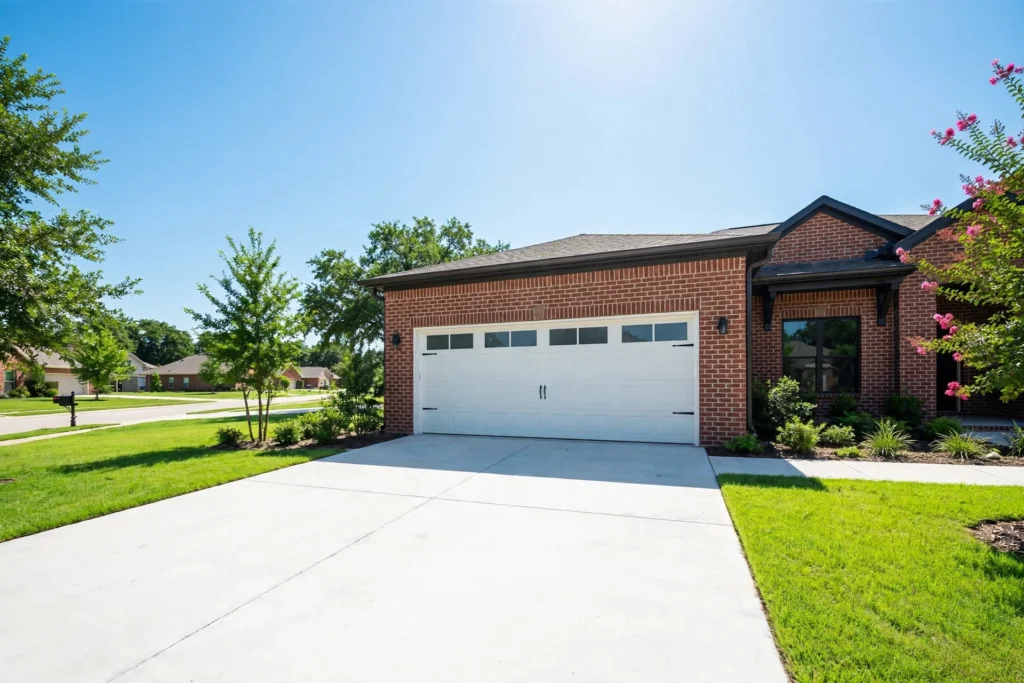
A Richardson Garage in August Feels More Like an Oven Than a Room
If you have ever opened your garage door on a July afternoon in Richardson and felt a wall of heat roll out, you already know the problem. By midafternoon, the inside of a typical uninsulated garage here can climb well past 100 degrees, and on the worst days it can push far higher than the temperature outside. Tools are too hot to touch. Paint cans, cleaners, and stored drinks take a beating. If there is a bedroom or bonus room above the garage, that room stays warm no matter how ha
What “Insulated” Really Means: R-Value in Plain English
Insulation is rated with a number called R-value. The idea is simple: the higher the R-value, the more the material resists heat moving through it. A basic non-insulated garage door has an R-value close to zero. Insulated doors add a foam core inside the door sections, and that core is what does the work.
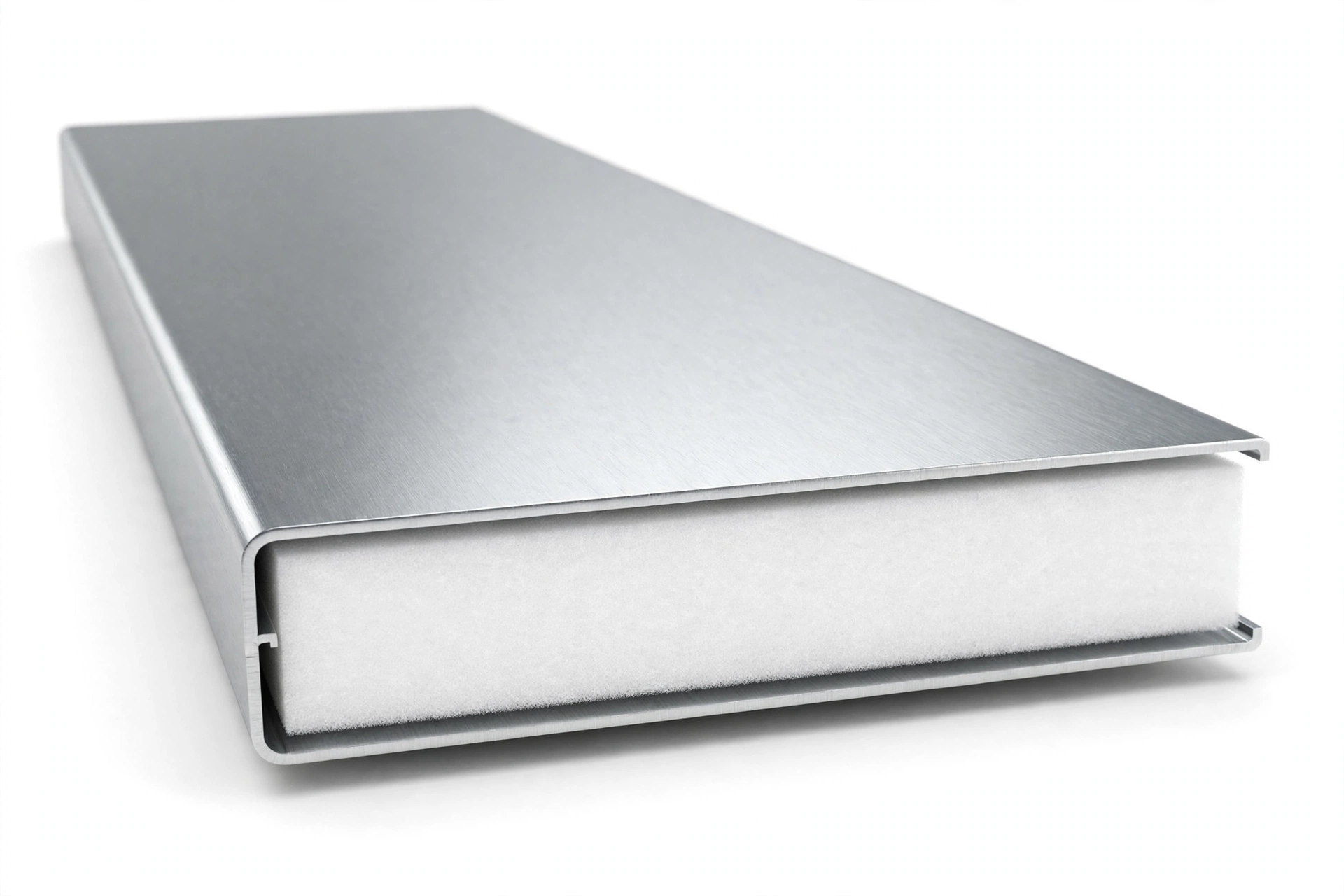
There are two common types of foam. Polystyrene is a rigid foam board fitted inside the door panels, and it usually brings a door into roughly the R-6 to R-8 range. Polyurethane is a denser foam that is injected into the door during manufacturing, so it fills every corner and bonds to the steel. Polyurethane doors commonly reach higher R-values, up to around R-18 on premium models, and the foam also makes the door itself stiffer and quieter.
Construction matters as much as the foam. A single-layer door is just a steel skin. A double-layer door adds insulation behind the steel. A triple-layer door sandwiches the insulation between two steel skins, which gives the best heat resistance, the strongest panel, and the quietest operation. When you compare doors, look at the R-value and the construction together. A well-built door in the middle of the range will serve most Richardson homes well, because the jump from no insulation to moderate insulation is where most of the benefit lives.
Insulation Kits vs. a New Insulated Door: Which One Makes Sense?
If your current door is in good shape, you may have seen the do-it-yourself insulation kits sold at home stores: foam panels you cut and fit into the inside of each door section. A kit can take the edge off the heat, and for a homeowner who mainly wants the garage a little less brutal during weekend projects, it is a reasonable low-cost experiment.
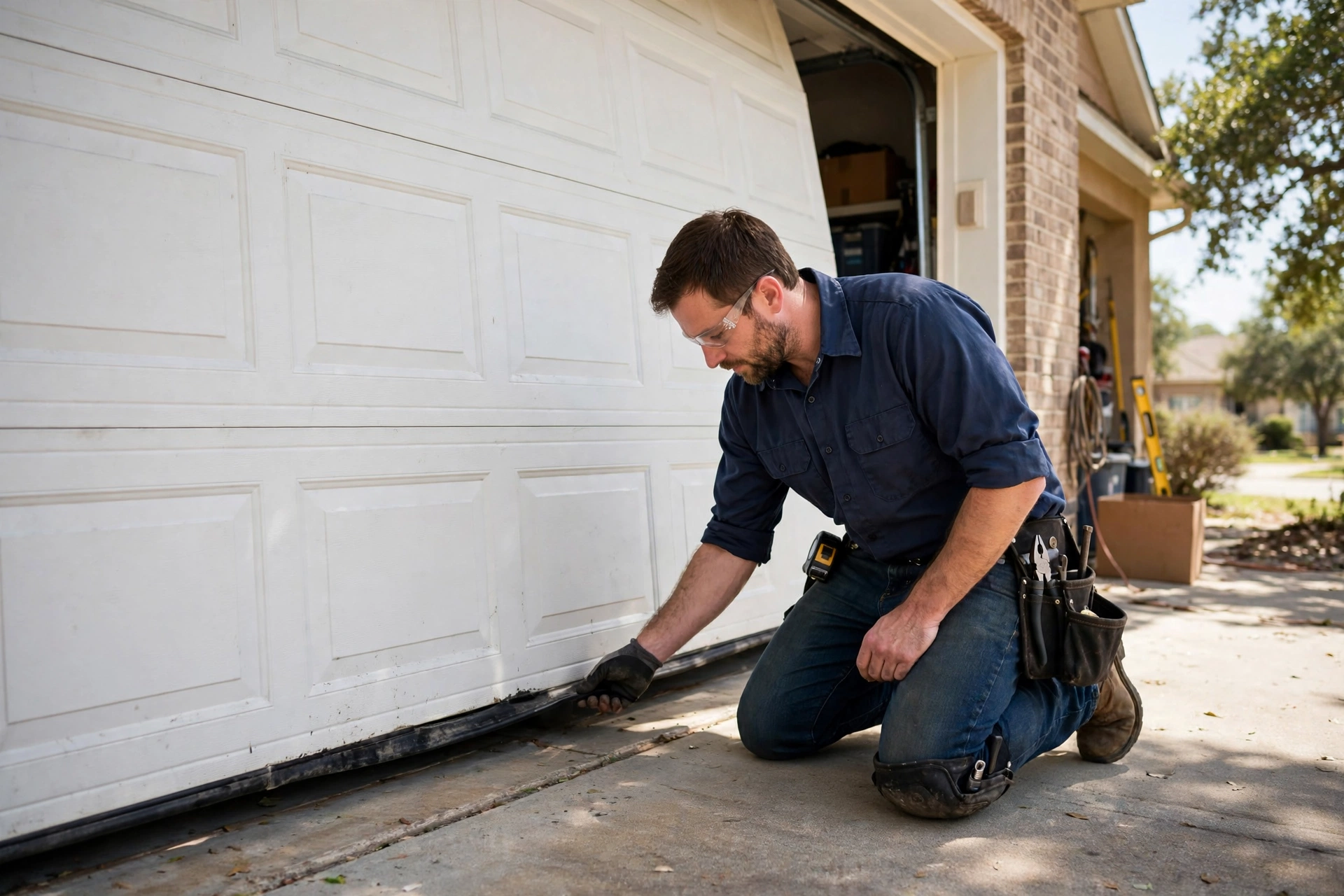
Kits have real limits, though. The foam sits in the sections, but the steel frame of the door still conducts heat, the fit is rarely perfect, and the improvement is modest compared with a factory-insulated door. Kits also add weight to the door, sometimes 10 to 20 pounds or more across all the sections. That extra weight matters more than most people expect. Your springs were sized for the original weight of the door, and a heavier door can strain the springs and the opener, throw off the door’s balance, and shorten spring life. We explain what happens when springs are overworked in
The Hidden Payoffs: Energy Bills, Noise, and a Stronger Door
The temperature change is the headline benefit, and it is real. An insulated door can keep a garage noticeably cooler in summer, often by 10 to 20 degrees on hot afternoons compared with a thin uninsulated door, with the biggest gains on sun-facing doors. Homeowners feel that difference most in rooms that share a wall with the garage and in any room sitting above it, which often becomes the most comfortable it has ever been in August.
On energy bills, it pays to be honest. An insulated door is not a magic fix that cuts your electric bill in half. The savings show up when the garage is attached to the house, shares walls or a ceiling with living space, or holds air conditioning ducts or a water heater. In those homes, slowing the heat transfer through the door means the cooling system runs a little less to hold the same temperature. In a detached garage with no shared walls, the comfort benefit remains, but the bill benefit is small.
The payoff people mention most after switching is one they did not expect: quiet. The foam core and the heavier, stiffer construction absorb vibration, so the door opens and closes with a solid, muted sound instead of the rattling echo of a thin metal door. Street noise drops too. Insulated doors also resist dents better, because the foam backing supports the steel skin. In a region where hail and the occasional stray basketball are facts of life, that extra toughness is worth having.
What Drives the Cost of an Insulated Garage Door in Richardson, TX?
Every home is different, but these are the factors that determine what a new insulated door costs:
- Door size: A two-car door uses more material and stronger hardware than a single-car door.
- Insulation type and R-value: Polyurethane foam costs more than polystyrene, and higher R-values cost more than lower ones.
- Construction: Triple-layer doors with steel on both sides cost more than double-layer or single-layer doors.
- Material and style: Plain steel is the most affordable route, while wood-look finishes, carriage-house designs, and decorative hardware add to the price.
- Windows: Window sections cost extra, and insulated glass costs more than standard glass.
- Hardware and springs: A heavier insulated door may need new springs and hardware matched to its weight.
- Old door removal: Hauling away and disposing of the old door is part of most installations.
- Your garage is detached and only stores the car and garden tools. If nothing in it is harmed by heat and no living space touches it, the comfort gains are minor.
- Your door is shaded all day. A north-facing door under heavy tree cover never becomes the heat source that a west-facing door does.
- Your current door is fairly new and in great shape. If the door itself is sound, fresh seals and a modest insulation kit may give you enough improvement.
- You are selling the home soon. A new door can help a sale, but a top-tier insulated model may not pay for itself in a quick sale. Ask us and we will tell you straight.
When an Insulated Door Is NOT Worth It
Honesty matters here, because an insulated door is not the right spend for every garage. You can probably skip it if:
A basic non-insulated door is fine for detached garages, for workshops where you work with the door open anyway, and for rentals where the goal is a solid, safe door at the lowest sensible cost. What matters is matching the door to the house, not buying the highest R-value on the shelf.
Frequently Asked Questions
How much cooler will an insulated garage door make my garage?
It depends on the door it replaces, which way the garage faces, and how well the seals fit. Homeowners who switch from a thin uninsulated door to a factory-insulated one commonly see the garage run 10 to 20 degrees cooler on hot afternoons, with the biggest improvement on west-facing and south-facing garages. It will not make the garage as cool as the house, but it takes the space from unusable to workable.
What R-value do I need for a garage door in Texas?
For most attached garages in Richardson, a door in the R-8 to R-13 range is a sensible target. If you have living space above the garage, use the garage as a workshop, or plan to condition the air in it, stepping up toward the higher end is worth it. Chasing the very highest R-value matters less than good seals and solid construction.
Can I just add insulation panels to my existing door instead?
You can, and it helps a little. Do-it-yourself kits are foam panels cut to fit inside the door sections. Expect a modest improvement rather than a transformation, and remember that the added weight can strain your springs and opener. If you go this route, have the door balance checked afterward. A factory-insulated door still performs better, because the insulation is sealed inside the panel during manufacturing.
Will an insulated door lower my electric bill?
It can, modestly, if your garage is attached to the house. Slowing heat transfer through the door reduces the load on rooms that share a wall or ceiling with the garage, especially a room above it. If your garage is detached, expect comfort benefits rather than bill savings. Think of the energy savings as a bonus on top of the comfort, strength, and quiet, not the main reason to buy.
Is an insulated door worth it if my garage is detached?
Usually it is a lower priority. For a detached garage used for parking and storage, fresh weather seals and a basic door often make more sense. The exception is a detached garage you use as a workshop, gym, or studio. If you spend real time in it, insulation earns its keep by making the space usable through a Texas summer.
Ready for a Cooler, Quieter Garage?
If your garage has become the one part of your Richardson home you avoid all summer, we can help you decide whether better seals, an insulation kit, or a new insulated door is the right move, with no pressure either way. Call (855) 496-0527 today, or get a free quote and tell us what your garage is doing. Garage Door Pros is based at 1407 E Campbell Rd #1000, Richardson, TX 75082, and we install and service insulated doors across the city.
The best way to get an accurate number for your home is a quick on-site measurement. Contact Garage Door Pros for a free quote with no obligation, and we will walk you through the options that fit your garage and your budget.
What About Winter? Insulation Works Both Ways in Texas
Richardson winters are mild compared with most of the country, but anyone who lived through the February 2021 freeze knows North Texas cold snaps can be serious. Insulation does not know which season it is. The same foam that slows summer heat from getting in also slows winter warmth from leaking out. That will not turn your garage into a heated room, but it does take the bite off cold mornings, helps protect stored paint, plants, and plumbing in or near the garage, and keeps a room above the garage from turning into the coldest room in the house.
Winter is also when worn seals show themselves, with cold air whistling through gaps that hot air used all summer. Our garage door maintenance tips walk through the simple checks worth doing before the first cold snap, including testing the bottom seal and the auto-reverse safety features. A door that seals well and insulates well handles both ends of the Texas thermometer.
our guide to a broken garage door spring. If you do add a kit, have the door’s balance checked and the springs adjusted afterward.A new insulated door makes sense when your current door is old, dented, rusting, or noisy, or when you want the full package of heat resistance, strength, and quiet in one step. Our new garage door installation service covers the whole process, from measuring and choosing a door that suits the house to removing the old one and setting up fresh springs matched to the new door’s weight. Instead of foam added as an afterthought, you get a door engineered as an insulated unit, with seals designed to match it.
At Garage Door Pros, this is one of the most common complaints we hear from local homeowners every summer, and it is the main reason so many of them ask us whether an insulated garage door is actually worth it in Texas. The honest answer is that it depends on your garage, how you use it, and what you expect the door to fix. This guide walks through how hot a Richardson garage really gets, where that heat comes from, what insulation does and does not do, what a new insulated door costs and why, and how to decide between improving the door you have and replacing it with a door that was built insulated from the start.
How Hot Does a Richardson Garage Actually Get in Summer?
North Texas summers are long, and Richardson regularly strings together weeks of highs in the upper 90s and beyond. A garage takes that heat and concentrates it. The roof soaks up sun all day and radiates it downward. The driveway and the concrete slab hold heat and release it slowly. The garage door itself, a large sheet of thin steel or aluminum facing the sun, can become one of the hottest surfaces on the whole house, especially on west-facing homes in neighborhoods like Canyon Creek and J.J. Pearce, where the afternoon sun hits the door head-on for hours.
The result is a space that stays hot long after sunset. Many homeowners tell us their garage is still uncomfortable at 9 or 10 at night, which is why the laundry area, the workout equipment, the workbench, and the extra fridge all end up fighting a losing battle against the heat. And if your garage shares a wall with your living room or kitchen, that heat does not stay in the garage. It pushes into the house and makes your cooling system work harder to hold the temperature you set on the thermostat.
Where the Heat Comes From (And Why the Door Is the Biggest Culprit)
Heat gets into a garage three ways: through the roof, through the walls, and through the door. For most Richardson homes, the door is the single biggest problem, for one simple reason. It is the largest opening in the building, and on a standard door it is nothing more than a thin layer of metal. A non-insulated steel door offers almost no resistance to heat. Sun hits the outside surface, the metal heats up, and that heat passes straight through to the air inside, the same way a cookie sheet heats up in an oven.
The gaps around the door make things worse. A worn bottom seal, cracked side weatherstripping, or a door that no longer sits flush lets hot outside air leak in all day long. This is the part many homeowners can improve cheaply, and it is why a preventative maintenance tune-up that includes a seal inspection is a smart first step before you spend money on a new door. Fresh seals will not turn a hot garage cold, but they stop the constant exchange of air that keeps reheating the space.
Attic heat above the garage plays a role too, and so does a dark roof. But when homeowners ask us where to spend money first, the door is almost always the answer, because it is the biggest surface, it faces the weather directly, and it is the one part of the garage you can replace with a version that is built to resist heat.